
Call us now :08045803062
 Send Inquiry
Alpha Amylase
700 INR/Kilograms
Product Details:
- Density 1.2 Gram per cubic centimeter(g/cm3)
- Ph Level 5.0 7.0 (optimal working pH)
- Boiling point Not applicable (enzyme denatures before boiling)
- Molecular Formula C6H10O5
- Molecular Weight Varies by source (~55,000 Da)
- Shape Powder or granules
- Storage Store in a cool, dry place, sealed container
- Click to View more
X
Alpha Amylase Price And Quantity
- 25 Kilograms
- 700 INR/Kilograms
Alpha Amylase Product Specifications
- 35079090
- Catalyst for starch hydrolysis
- Enzyme (Alpha Amylase)
- Not applicable (enzyme protein)
- Protein structure (polypeptide enzyme)
- Enzyme preparation
- Slight enzyme/protein odor
- Slightly sweet or neutral
- High (as per specification, typically >90%)
- 232-565-6
- 1,4-alpha-D-glucan glucanohydrolase
- Industrial/Food grade
- Alpha Amylase
- Yes
- Store in a cool, dry place, sealed container
- Powder, liquid (available in both)
- Soluble in water
- Powder or granules
- 9000-90-2
- Not applicable (enzyme denatures before boiling)
- Varies by source (~55,000 Da)
- C6H10O5
- 5.0 7.0 (optimal working pH)
- Enzyme
- 1.2 Gram per cubic centimeter(g/cm3)
- Textile, fermentation, brewing, food processing, starch industry
- Food/Industrial enzyme standard
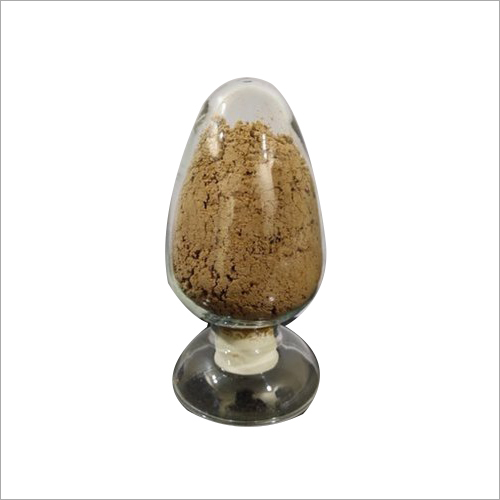
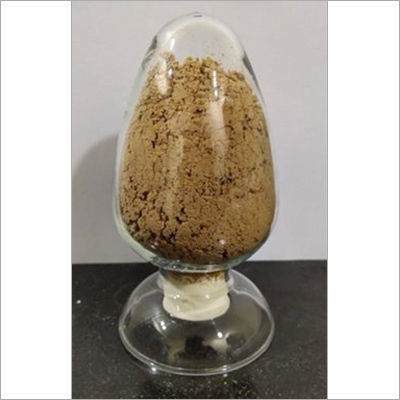
- Off-white to light brown powder
- 4.5 - 5.5
- Compatible with most industrial processes
- As specified (e.g., 40,000 U/g or as per lot)
- 25 kg drums, bags or customized
- 12-24 months under recommended conditions
- May cause allergic reactions on inhalation
- Stable under recommended storage conditions
- Optimal 50C - 70C
- Above 80C (denaturation occurs)
Alpha Amylase Trade Information
- 5000 Kilograms Per Week
- 1 Week
Product Description
Over the years of dedication, we have been a noted manufacturer of Alpha Amylase for our highly respected clients. This is highly effective over a wide temperature and pH range. It displays exceptional viscosity reduction and provides the opportunity for simplified operations. Alpha Amylase is complete with both batch and continuous industrial liquefaction processes. Superior liquefaction and viscosity reduction enables higher solids and higher yields. It is applauded for lower effective dose due to its unique mode of action.
Features:
- Aids in quick degradation of starch
- Widely demanded in food, textile and paper industry
- Excellent ingredient to dough for degradation of flour into small dextrin
- Added to various medications for improvement in digestive system
- Boosts action of detergent against tough stains
- Helps in fast conversion of carbohydrates into sugar
Reliable Starch Hydrolysis Catalyst
Alpha Amylase efficiently breaks down starches into simpler sugars, making it indispensable in industries like food manufacturing, brewing, and textiles. Its optimal activity at temperatures between 50C and 70C ensures robust performance in demanding processes, while rapid denaturation above 80C allows controlled inactivation.
Robust Quality and Stable Storage
With enzyme activity adjusted per lot and purity above 90%, Alpha Amylase is produced to meet food and industrial standards. The product remains effective for 1224 months if stored in sealed containers in a cool, dry place, minimizing activity loss and ensuring predictable results in various applications.
Versatile Industrial Applications
Alpha Amylase adapts well to different processes thanks to its solubility in water, optimal working pH (5.07.0), and compatibility with most industrial environments. Whether supplied as a powder or liquid, it meets the diverse needs of manufacturers, suppliers, and exporters across multiple sectors.
FAQs of Alpha Amylase:
Q: How should Alpha Amylase be stored to maintain its activity and stability?
A: For optimum stability, Alpha Amylase should be kept in a tightly sealed container, stored in a cool, dry location. Following these recommendations preserves its enzyme activity for 12 to 24 months.Q: What industries benefit most from using Alpha Amylase and how is it used?
A: Industries such as textiles, brewing, food processing, fermentation, and starch manufacturing utilize Alpha Amylase to catalyze starch hydrolysis, efficiently converting complex starches into simpler sugars during various process steps.Q: When does Alpha Amylase lose its enzymatic activity during industrial applications?
A: Alpha Amylase remains active at temperatures between 50C and 70C. If the temperature exceeds 80C, the enzyme denatures and becomes inactive.Q: Where is Alpha Amylase most commonly applied in industrial processes?
A: It is widely used in India and globally, primarily in sectors requiring efficient starch breakdown, such as food manufacturing plants, breweries, fermentation facilities, textile processing units, and starch refineries.Q: What are the physical properties and form options for Alpha Amylase?
A: Alpha Amylase typically appears as an off-white to light brown powder or, in some cases, as a liquid. It is highly soluble in water and features a slight enzyme odor with a neutral to slightly sweet taste.Q: Is Alpha Amylase safe to handle, and are there any allergy concerns?
A: Alpha Amylase is classified as non-poisonous, but may cause allergic reactions if inhaled. Use appropriate respiratory protection and handle in a well-ventilated area to minimize exposure risks.Q: What are the main benefits of using Alpha Amylase in manufacturing processes?
A: Alpha Amylase enhances process efficiency by rapidly hydrolyzing starches, resulting in higher yields of fermentable sugars. This leads to cost savings, improved product consistency, and greater flexibility across diverse industrial operations.Tell us about your requirement

Price:
Quantity
Select Unit
- 50
- 100
- 200
- 250
- 500
- 1000+
Additional detail
Mobile number
Email

Other Products in 'Industrial Enzymes' category


 Send Inquiry


Our Products
- Pharma Enzymes
- Nutraceutical Enzymes
- Industrial Enzymes
- Papain Refine Powder
- Probiotics Lactobacillus Acidophilus
- Animal Health and Nutrient Supplement
- Chemical Supplies
- Meat Tenderize Powder
- Serratiopeptidase Powder
- Pharmaceutical Enzymes
- Food Grade
- Bromelain Enzyme
- Animal Feed Enzyme
- Amylases
- Performing Chemicals
- Bread Improvers
- Probiotics
- Milk Grow Powder


Block 91, Plot-C1, Moti Naroli Village, B/h Sarovar Hotel, NH -No -8, Kim,Surat - 394110, Gujarat, India

Mr Bhushan A Karode
(Director)
Mobile :08045803062
 Send Inquiry
 Send SMS
 Call Me Free
Developed and Managed by Infocom Network Private Limited.


