
Call us now :08045803062
 Send Inquiry
Industrial Enzymes
700 INR/Kilograms
Product Details:
- Solubility Soluble in water
- Molecular Weight Varies 10 kDa to >100 kDa
- Molecular Formula Varies (protein sequences)
- Storage Cool and dry place
- Ph Level Optimum 4.5-9, based on enzyme
- Density 1.3 Gram per cubic centimeter(g/cm3)
- Structural Formula Complex protein chain
- Click to View more
X
Industrial Enzymes Price And Quantity
- 700 INR/Kilograms
- 25 Kilograms
Industrial Enzymes Product Specifications
- Not applicable (decomposes before boiling)
- Solid / Liquid
- Not applicable (depends on specific enzyme)
- Enzymatic proteins, biological catalysts
- Enzymes (Protein Biocatalysts)
- Tasteless
- 90%-99%
- 3507
- Yes
- Biological Compound
- Industrial catalytic functions to accelerate chemical reactions
- Not applicable (biological proteins)
- Powder, Granules, or Liquid
- Odorless
- Biocatalyst, Protein Enzyme
- 232-894-6 (general for enzymes)
- Industrial Grade
- Optimum 4.5-9, based on enzyme
- 1.3 Gram per cubic centimeter(g/cm3)
- Proteases, Amylases, Lipases, Cellulases, etc.
- Used as biocatalysts in industrial processes such as textile, food, paper, detergent, and pharmaceutical industries
- Complex protein chain
- Varies 10 kDa to >100 kDa
- Soluble in water
- Varies (protein sequences)
- Industry Standard
- Cool and dry place
- 12-24 Months under proper storage
- Non-hazardous material
- Low, in accordance to regulations
- Highly specific to substrate
- Measured in Units/g, varies by enzyme type
- Derived from bacteria, fungi or plants
- 300-1000 micron (powdered form)
- < 8% (for powders)
- 100% biodegradable
- Denatures above 60C
- Highly sensitive, activity varies with pH
- White to light brown (may vary)
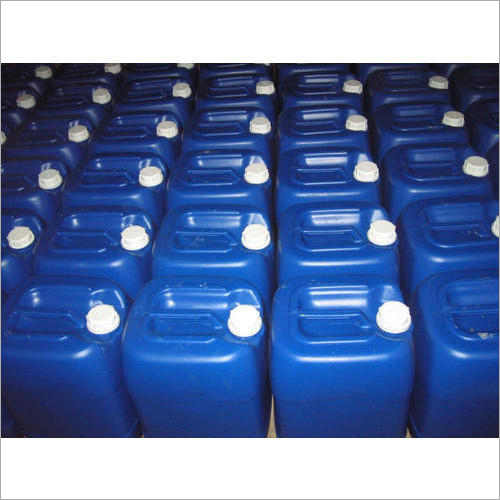
- HDPE drums, Polybags, Cartons
Industrial Enzymes Trade Information
- 5000 Kilograms Per Week
- 1 Week
Product Description
Leveraging on our state-of-the-art infrastructural unit, we have been a prominent manufacturer of Industrial Enzymes for our highly esteemed clients. They are precisely made using qualitative components and latest machinery at our unit as per the globally laid standards and norms. These Industrial Enzymes are appreciated for their quality, effectiveness, accurate composition, reliability, durability, safe packaging and a long life. We offer these at highly pocket- friendly prices and strive to make delivery within a stipulated period of time.
Specification:
| Product Name | Packing Specification | Presentation | Application |
| Tender Zyme | 25 kg in HDPE drum | Powder | Meat tenderizer powder |
| Enzisach | 25 kg in HDPE drum | Liquid | Liquid Glucoamylase |
| Enzilique | 25 kg in HDPE drum | Liquid | Liquid Amylase |
| EnziPap | 25 kg in HDPE drum | Powder | Food Grade Papain |
| EnziBro | 25 kg in HDPE drum | Powder | Food Grade Bromelain |
Precision Enzyme Catalysis for Industry-leading Applications
Our industrial enzymes, available in solid or liquid form, offer superior specificity and efficiency across multiple sectors, including food processing, textiles, detergents, and pharmaceuticals. Derived from microbial or plant sources, these enzymes are 100% biodegradable and conform to stringent purity and contaminants standards, making them ideal for eco-conscious industrial processes.
Versatile Forms and Reliable Quality
Our enzymes come in a range of formspowder, granules, or liquidwith particle sizes between 300 and 1000 microns for powders. Packaged securely in HDPE drums, polybags, or cartons, they maintain a shelf life of 1224 months when stored in cool, dry conditions. Their water solubility and tasteless, odorless nature ensure versatility and ease of use in diverse industrial environments.
Safety and Compliance Guaranteed
Compliant with industry standards and regulations, our enzymes are non-hazardous, non-poisonous, and have low contaminant levels. They are classified as biological compounds and meet global requirements for safe, responsible handling, making them a trusted choice for exporters, manufacturers, suppliers, and wholesalers across India and beyond.
FAQs of Industrial Enzymes:
Q: How should industrial enzymes be stored to maximize shelf life?
A: To ensure a shelf life of 1224 months, industrial enzymes should be kept in a cool, dry place, away from direct sunlight. Proper storage maintains enzyme activity and minimizes the risk of degradation due to moisture or excessive heat.Q: What are the main industrial processes that benefit from enzyme use?
A: Industrial enzymes are used as biocatalysts in processes such as textile treatment, food processing, paper manufacturing, detergent production, and pharmaceutical synthesis. They accelerate chemical reactions, improve process efficiency, and lower resource consumption.Q: When do enzymes lose their activity, and what precautions should be taken?
A: Enzyme activity is highly sensitive to pH and temperature. Most industrial enzymes denature and lose function above 60C or outside their optimal pH range (4.59). It is crucial to monitor process conditions closely to preserve catalytic activity.Q: Where do these industrial enzymes originate from?
A: These enzymes are produced from microbial sources such as bacteria and fungi, as well as from plants. The source is selected to provide high specificity and purity based on the intended industrial application.Q: What process is involved in using industrial enzymes as biocatalysts?
A: Enzymes are typically dissolved in water or added directly to processing streams, where they act on specific substrates. Due to their high specificity, only target compounds are transformed, resulting in fewer by-products and improved product quality.Q: What are the benefits of using industrial enzymes compared to traditional chemical catalysts?
A: Industrial enzymes offer high specificity, are environmentally friendly due to their biodegradable nature, and function effectively under milder conditions, reducing energy and chemical requirements. This leads to safer processes and superior sustainability.Q: How do I select the appropriate enzyme for my industrial application?
A: Selection is based on the desired chemical reaction, substrate type, and required operating conditions (such as pH and temperature). Enzyme types available include proteases, amylases, lipases, and cellulases, each tailored to specific industrial needs.Tell us about your requirement

Price:
Quantity
Select Unit
- 50
- 100
- 200
- 250
- 500
- 1000+
Additional detail
Mobile number
Email

Other Products in 'Industrial Enzymes' category


 Send Inquiry


Our Products
- Pharma Enzymes
- Nutraceutical Enzymes
- Industrial Enzymes
- Papain Refine Powder
- Probiotics Lactobacillus Acidophilus
- Animal Health and Nutrient Supplement
- Chemical Supplies
- Meat Tenderize Powder
- Serratiopeptidase Powder
- Pharmaceutical Enzymes
- Food Grade
- Bromelain Enzyme
- Animal Feed Enzyme
- Amylases
- Performing Chemicals
- Bread Improvers
- Probiotics
- Milk Grow Powder


Block 91, Plot-C1, Moti Naroli Village, B/h Sarovar Hotel, NH -No -8, Kim,Surat - 394110, Gujarat, India

Mr Bhushan A Karode
(Director)
Mobile :08045803062
 Send Inquiry
 Send SMS
 Call Me Free
Developed and Managed by Infocom Network Private Limited.


