
Call us now :08045803062
 Send Inquiry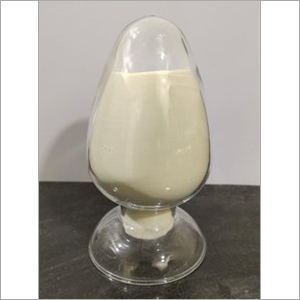
Fungal Alpha Amylase
Product Details:
- Best Before 24 months from manufacturing
- Medicine Type Enzyme preparation
- Strength High potency
- Purity 99% (Enzyme purity)
- Flavor Neutral
- Chemical Composition Alpha Amylase Enzyme from Aspergillus oryzae
- Shelf Life 2 Years
- Click to View more
X
Fungal Alpha Amylase Product Specifications
- As recommended for industrial or baking processes
- Mix with substrate as per suggested concentration
- Sorbitol, Sodium Chloride, Calcium Chloride
- High enzymatic activity for starch hydrolysis
- HDPE Drum / Bags
- Optimal activity at pH 5.06.0
- Store in cool, dry place, away from direct sunlight
- 5 Kg, 10 Kg, 25 Kg
- Enzymatic conversion of starches to sugars
- 2 Years
- Efficient starch breakdown, improved fermentation
- Alpha Amylase Enzyme from Aspergillus oryzae
- Fungal Derived Alpha Amylase
- High potency
- 99% (Enzyme purity)
- Neutral
- Powder
- 24 months from manufacturing
- Enzyme preparation
- Max 8%
- Characteristic, mild
- Optimal at 50C 60C
- Baking, brewing, distilleries, textiles, detergents
- Off-white to light brown powder
- Soluble in water
- 20002500 IU/g
Product Description
Fungal Alpha Amylase
Fungal Alpha Amylase is a powdered formulation which is used as a food grade enzyme for the starch sugar. It is prepared via the fermentation and extraction of the Aspergillus oryzal var. This free flowing substance is fast in action and available in acidic, neutral as well as alkaline forms. It has good heat resistance that makes it suitable for the industrial as well as agricultural applications. Buyers can get this top quality substances in large volumes at a reasonable price.
High Enzyme Efficacy for Industrial Applications
Engineered for robust performance, Fungal Alpha Amylase exhibits high enzymatic activity, ensuring rapid starch breakdown and improved fermentation across baking, brewing, and distillery processes. Its consistent efficacy enhances dough handling, sugar yield, and overall product quality in these sectors.
Product Formulation and Safety
Supplied as a fine, off-white to light brown powder, the enzyme preparation contains fungal-derived alpha amylase with sorbitol, sodium chloride, and calcium chloride as sub-ingredients. It maintains a neutral flavor and characteristic mild odor, making it suitable for both food and non-food industry requirements.
Optimal Usage and Storage Guidelines
To maintain potency and extend shelf life, Fungal Alpha Amylase should be stored in a cool, dry place away from direct sunlight. Dosage should adhere strictly to recommended concentrations for each industrial application, ensuring consistent performance without compromising quality.
FAQs of Fungal Alpha Amylase:
Q: How is Fungal Alpha Amylase used in industrial applications?
A: Fungal Alpha Amylase is incorporated by mixing its powder form with substrates such as flour or grains at concentrations recommended for specific processes. It facilitates enzymatic conversion of starches to sugars in baking, brewing, distilleries, and detergent manufacturing.Q: What are the benefits of using Fungal Alpha Amylase in baking and brewing?
A: The enzymes high potency enables efficient starch hydrolysis, resulting in improved dough texture, better fermentation, and an increased yield of fermentable sugars. This leads to enhanced product consistency and quality in both baking and brewing industries.Q: When should Fungal Alpha Amylase be added during processing?
A: It should be introduced during the initial mixing stage of dough or mash preparation, ensuring uniform enzyme distribution and optimal biochemical conversion as the temperature and pH reach their recommended ranges for activity.Q: Where should Fungal Alpha Amylase be stored for best stability?
A: For optimum shelf life and preservation of enzymatic activity, store the powder in a cool, dry location, away from direct sunlight, and keep containers tightly sealed. HDPE drums or bags protect product integrity during storage and transport.Q: What is the recommended dosage for Fungal Alpha Amylase?
A: Dosage varies based on application and substrate; adhere to manufacturer guidelines for concentration to achieve desired enzymatic activity and process results, whether in baking, brewing, or other industrial uses.Q: How does Fungal Alpha Amylase improve fermentation efficiency?
A: Through rapid starch breakdown at optimal temperature and pH conditions, this enzyme increases the amount of fermentable sugars available, leading to enhanced fermentation rates and higher yields in both brewing and distillation.Q: What ingredients and chemical composition does Fungal Alpha Amylase contain?
A: It consists of fungal-derived alpha amylase enzyme from Aspergillus oryzae, with sorbitol, sodium chloride, and calcium chloride as stabilizers, ensuring enzyme purity at 99% and reliable function in diverse applications.Tell us about your requirement

Price:
Quantity
Select Unit
- 50
- 100
- 200
- 250
- 500
- 1000+
Additional detail
Mobile number
Email

Other Products in 'Food Grade' category


 Send Inquiry


Our Products
- Pharma Enzymes
- Nutraceutical Enzymes
- Industrial Enzymes
- Papain Refine Powder
- Probiotics Lactobacillus Acidophilus
- Animal Health and Nutrient Supplement
- Chemical Supplies
- Meat Tenderize Powder
- Serratiopeptidase Powder
- Pharmaceutical Enzymes
- Food Grade
- Bromelain Enzyme
- Animal Feed Enzyme
- Amylases
- Performing Chemicals
- Bread Improvers
- Probiotics
- Milk Grow Powder


Block 91, Plot-C1, Moti Naroli Village, B/h Sarovar Hotel, NH -No -8, Kim,Surat - 394110, Gujarat, India

Mr Bhushan A Karode
(Director)
Mobile :08045803062
 Send Inquiry
 Send SMS
 Call Me Free
Developed and Managed by Infocom Network Private Limited.


