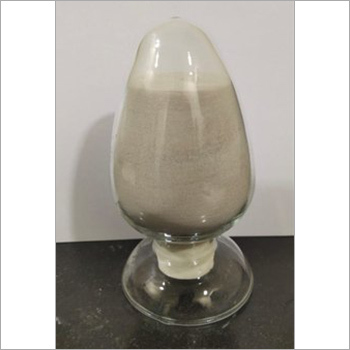
उत्पाद वर्णन
Neutral Protease offered by us is a Metallo, a neutral protease that is found in non-mammalian animals. Because of its moderate proteolytic action, the enzyme is particularly well suited for the production of primary cells and secondary cell culture. This protease is widely utilized with collagenase as a secondary enzyme in cell isolation and tissue dissociation applications. Neutral protease provides the benefits of a fast reaction rate, little industrial pollution, and a wide range of reaction conditions adaptability.
Efficient Cell DissociationNeutral Protease guarantees rapid and homogeneous tissue digestion, vital for preparing cell suspensions in research. Cells remain viable with minimal damage, supporting reliable downstream analysis and culture. Its optimized activity at neutral pH also ensures gentle processing without compromising cellular integrity.
Safe and Pure Enzyme PreparationManufactured under stringent controls, this enzyme is absent of E. coli, Salmonella, and S. aureus, making it ideal for sensitive biological applications. With a purity of 99% and endotoxin levels below 10 EU/mg, contamination risks are minimized, supporting consistent research outcomes and safety during handling.
Convenient Packaging and StorageAvailable in sealed HDPE bottles in quantities ranging from 100g to bulk, Neutral Protease is easy to store and transport at ambient temperature. Clear labeling of expiration dates, accompanied by storage instructions, ensures maximum product stability and efficacy over a 24-month shelf life.
FAQ's of Neutral Protease:
Q: How should Neutral Protease be handled during laboratory procedures?
A: When handling Neutral Protease, avoid inhalation and any contact with eyes. Use appropriate protective gear and work in a well-ventilated area. Dilute the powder with buffer as recommended in your protocol and avoid exposure to extreme pH to maintain enzymatic activity.
Q: What is the recommended dose for Neutral Protease in tissue dissociation applications?
A: Dosage typically ranges from 0.5 to 2 mg/ml, depending on tissue type and protocol specifications. It should be diluted with an aqueous buffer solution, ensuring optimal pH around 7.0 for maximal enzymatic activity and consistent cell yield.
Q: Where should Neutral Protease be stored to maintain its stability?
A: Store Neutral Protease at 2-8C in its sealed HDPE bottle, away from moisture and contaminants. Proper storage preserves enzyme activity for up to 24 months from the manufacturing date, as indicated on the packaging.
Q: What are the benefits of using Neutral Protease from Bacillus polymyxa in research?
A: Neutral Protease efficiently hydrolyzes proteins under neutral conditions, achieving effective tissue dissociation while maintaining cell viability. Its high purity and microbial safety profile make it a reliable choice for cell isolation, cell culture, and molecular biology workflows.
Q: Is Neutral Protease safe for use in sensitive cell-based experiments?
A: Yes, Neutral Protease is non-irritating, does not contain known allergens, and is free from hazardous microbial contamination. Its low endotoxin levels further enhance safety, making it suitable for sensitive biological studies and cell culture applications.
Q: Can Neutral Protease be shipped and stored at ambient temperatures?
A: Neutral Protease can be transported at ambient temperature, provided it is protected from humidity. Upon receipt, it should be promptly stored at 2-8C to ensure long-term stability and efficacy.
Q: What applications is Neutral Protease best suited for in the laboratory?
A: Neutral Protease is ideal for cell isolation, tissue dissociation, cell culture preparation, and molecular biology research, providing efficient enzymatic hydrolysis of proteins under neutral pH conditions while preserving cell structure and viability.